Anything Else
Bats distributed: seventeen. Bats left with a club in this city: two. Days the lab reports were late: sixteen.
School started back in Louisville the week we came in, so the mornings have buses in them now, out on Broadway before seven with the headlights on, and the corners have kids standing on them with their bags between their feet. Monday it was ninety-one by noon and the radio kept saying the index would get to a hundred and four. The minor leagues all take Monday off, every one of them at once, so there was no ballgame anywhere to go and see.
We have been in the same two rooms since the sixth. It was my idea to sit still until the labs come in and I have not changed my mind about it. The last club we sat down with wanted numbers on the wood before they would talk about anything else, and I have not put us in front of another one since. I am not walking into the next building without them.
A little after two Naomi's name came up on my phone.
He says not till the season's done. If that's what y'all worked out I'll quit asking him to come down.
I put the phone in my pocket.
Cecil dropped a prescription at the drugstore in the afternoon and walked back for it an hour later. In the evening it cooled about four degrees and I walked down and got barbecue out of a window and ate it sitting on a wall. The city redrew all the bus routes two weeks ago and the new signs are still going up on the poles, one block ahead of the old ones coming off.
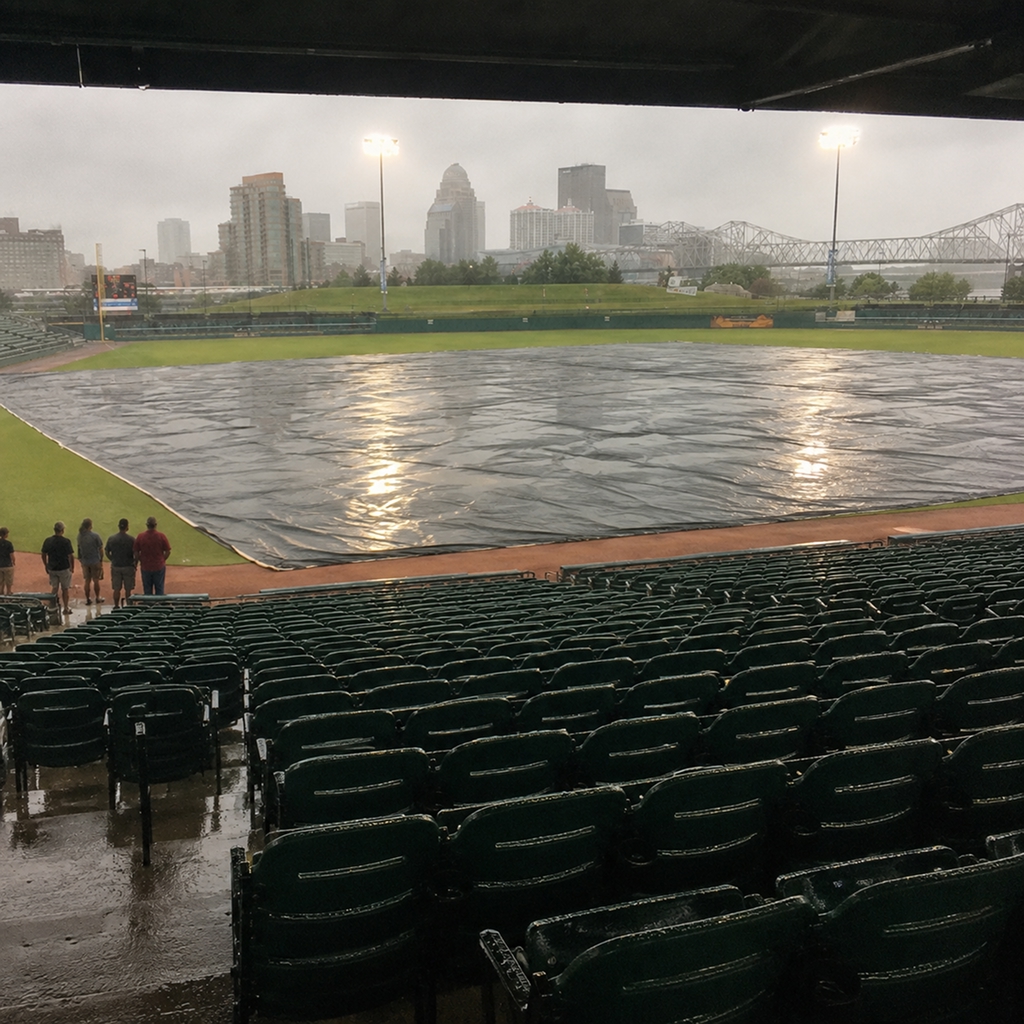
The ballpark here is downtown at the east end of Main, a mile and change up the street from the bat factory, and they built it into the front of an old railroad warehouse — brick, iron shutters, doors twenty feet high. Inside the doors is a run of glass cases with a hundred-some years of Louisville baseball in them, uniforms and gloves and photographs of men standing with their arms crossed. People walk past it to get to the concourse.
Twelve dollars gets you the grass out past the fence and seventeen gets you a seat. We took seats.
The place was a third full at first pitch and families kept coming down into the empty rows, until the front of our section was two rows of kids leaning on the rail with their gloves on. Cecil looked the place over for an inning and then moved us up under the overhang on the first-base side, and we sat there after that.
The rain came in the bottom of the second with nothing on the board. The crew ran the tarp out and the people down front came back up under the overhang with everybody else, and we all stood there watching it rain.
A man came through the crowd and stopped at the end of our row and said Cecil's name like it was a question. Sixty-odd, thick through the middle. He said he was with the club. He'd started out at the old place pulling the tarp when he was fifteen, and somebody in Cincinnati sends the pieces around, so he had read we were down here.
"Cecil Tate," he said. "You played out at the fairgrounds."
"Long time back," Cecil said.
They got onto a man they had both known who ran a sporting goods store over in Jeffersonville and died the year before last, and how his sons had kept it going about eleven months. Then he shook my hand and said to holler if we needed anything, and went back into the crowd.
They kept the tarp on and after a while they called it — nothing to nothing, suspended, the rest to be played the next night. We drove back with the wipers going.
Wednesday we did laundry. The address the equipment manager in Cincinnati gave me had been in a shirt pocket since the fifth of August and it came out of the dryer the size of a stamp, gone gray, with nothing left on it to read.
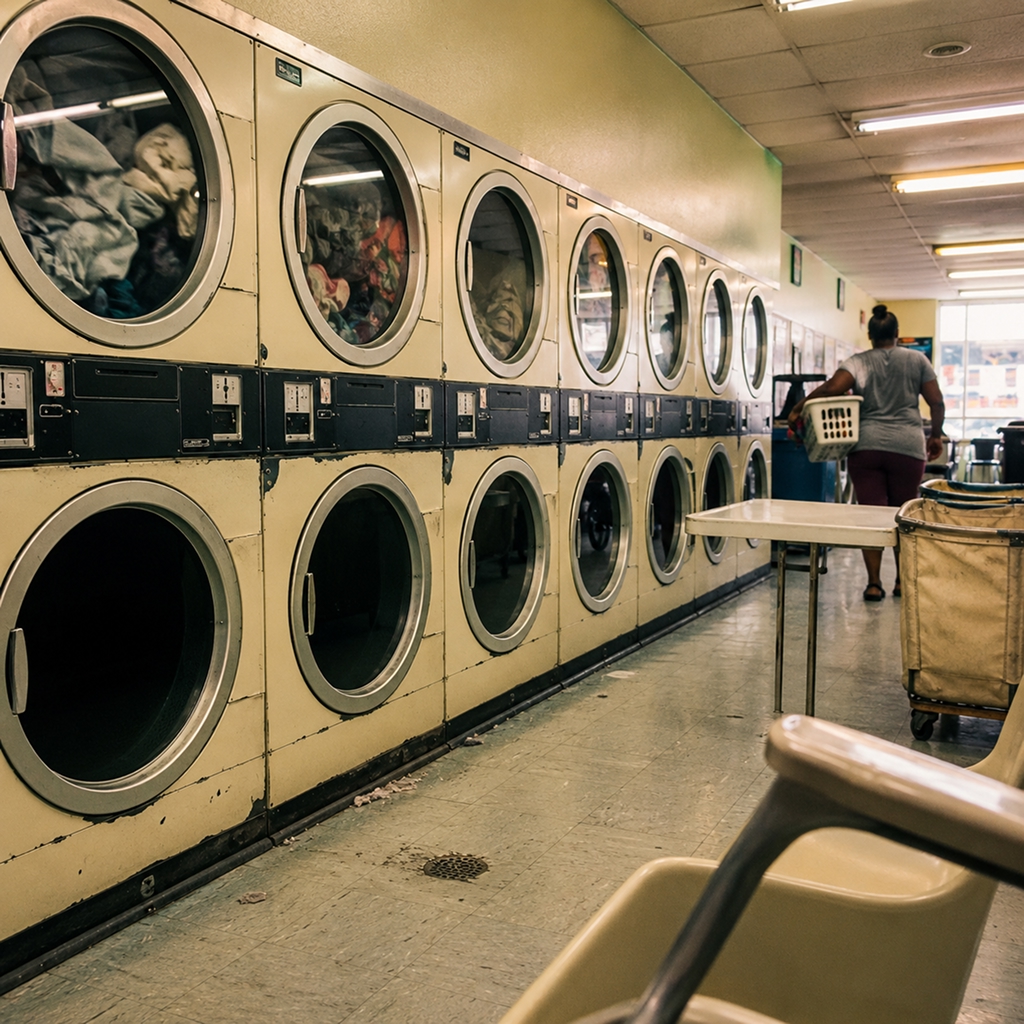
Cecil had been on the phone a good while that morning. He waited until we were sitting in the plastic chairs with a wall of dryers going in front of us.
"Lawson's gone up to Terre Haute," he said. "His kid's up there."
I asked who Lawson was.
A man he had coached with, he said, two different places, the second one for six years. The outfit that had him doing hitting lessons through the winter sold the building in the spring, and whoever bought it is putting in storage units. His eyes had got bad enough this year that he quit driving after dark, and the lessons are all after dark. He had a boy he was still working with on Saturdays for nothing, out of a batting cage behind a car wash, and the boy is going to Bowling Green in the fall. His daughter has a house up there and there is a room in it.
"He took the room," Cecil said.
A woman came in with a basket on her hip and went down the line of machines looking for the free ones and did not find one for a while.
He got up and checked his dryer with the back of his hand and sat down again, and we stayed until our things were dry and then carried them out into the heat.
The man from the club on Tuesday had left word at the desk — come down ahead of the gates Thursday and bring some of the wood. They were playing two that day to make up what the rain had taken. The atlas was on the seat between us going down there, open to Louisiana. At the window there were two passes with our names on them.
A man took us down under the stands an hour before the gates opened. He was somewhere in his forties and he did all of his talking with his hands full. He took two bats out of my arms without much ceremony and said they would get them in the cage this week sometime, and then he asked Cecil something about the handle and did not ask me anything.
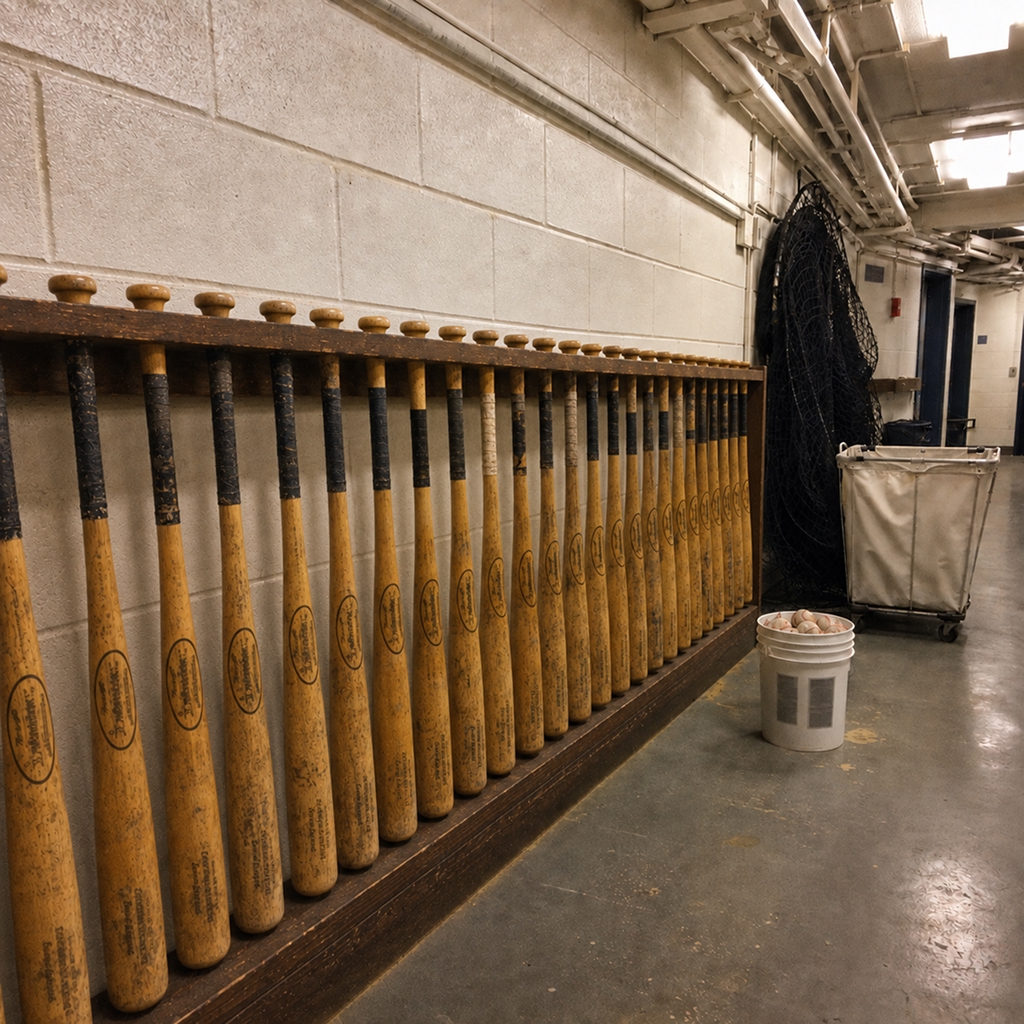
The bat rack down there was one brand end to end, which is the brand they make a mile up the street. A man in Los Angeles handed ours back in April and told me his club had a relationship with Louisville.
Upstairs they were letting people bring dogs in. There were four of them in our section alone, and one that barked at the between-innings race and was still barking two innings later from three sections over, where they had moved him.
Out past the outfield there is a bar with televisions in it, and on one of them two big-league clubs were playing a ballgame in a cornfield in Iowa.
The home club lost the first one and won the second in an extra inning.
Friday the Louisville Bats renamed themselves the Humidity for the night and sold orange shirts with the new name on them, and the place filled up, because they were shooting fireworks after. Our seats had people in them, so we were down the third-base line with a family of six on one side of us and nobody at all on the other.
I had it worked out to say in the third and said something about the pitcher instead.
In the fifth I told Cecil I had been reading about the club that used to play out at the fairgrounds.
"I'd like to write about it," I said. "I won't, if you'd rather I didn't."
There was a throw down to second while I was saying it and then the man on third was running. The place came up all at once and late, a second behind the play. He was across home plate ahead of the ball coming back. The family of six was up on their seats and somebody behind us was hollering at nobody.
The sixth went by and I did not ask him again.
In the seventh he watched the pitch. He watched the at-bat out.
"St. Louis had the club here then," he said. "I came in in eighty-two, the year they moved it down out of Springfield. Four years in that organization, all of them here."
I got the pad out.
"I played the infield," he said. "Wherever they had a hole that week."
He waited until I had it down.
"You can put that in," he said. "Anything else, you ask me."
Then he was watching the ballgame again. I kept the pad out through the rest of the inning. There was room on the page.
It finished nine to one. They shot the fireworks off after and everybody stayed for them, and then we came out through the warehouse with the whole crowd and got the wagon.
Cecil Tate came to Louisville in 1982, when the Triple-A club here moved down out of Springfield, Illinois. He was in the St. Louis organization four years, all in Louisville, and he played the infield.
Saturday afternoon Gary sent the reports. Both labs at once, fifty-one pages between them, with a line from him on top of it that said finally. They are two reports on the same Wallop volcanic Douglas fir and they do not put anything the same way. The same chart is in both of them with the dots bunched in different places.
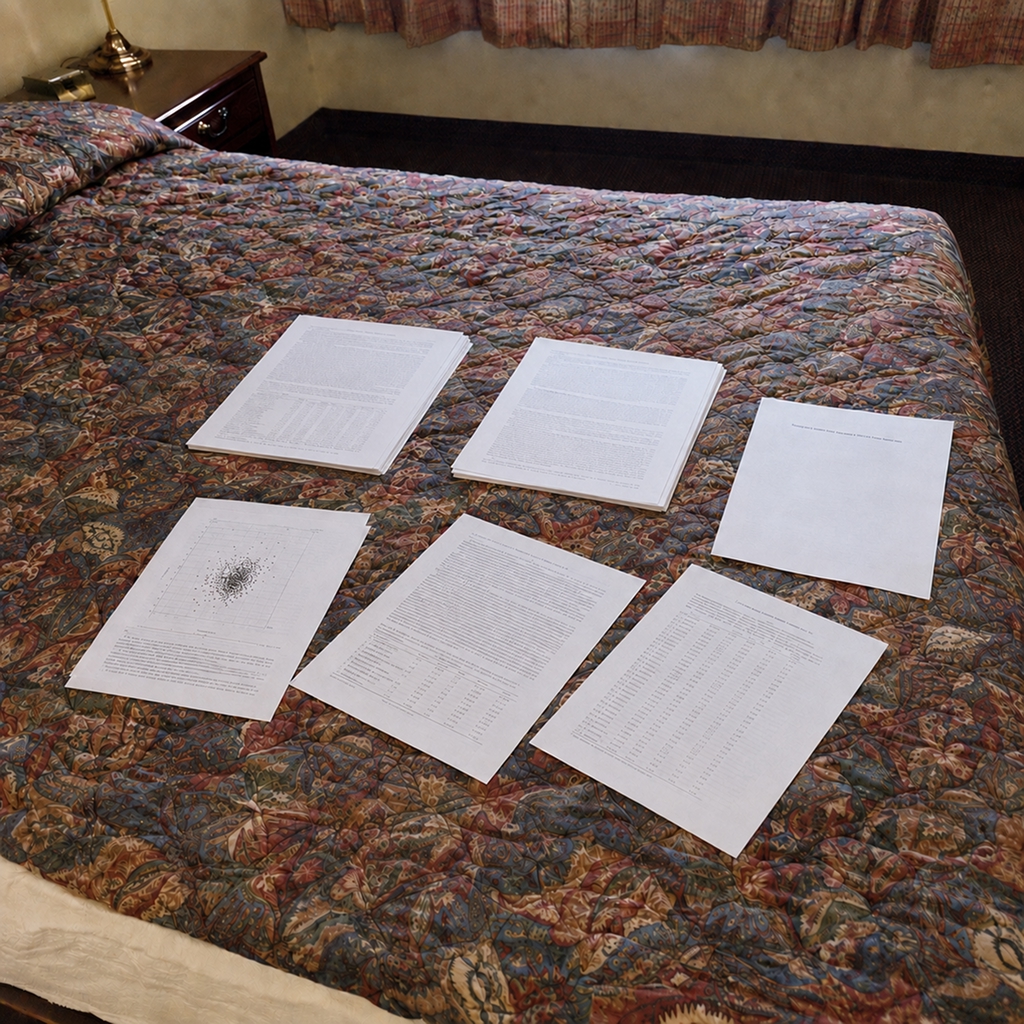
I read them through twice, sitting on the end of the bed with the air unit going. Then I went down and knocked on Cecil's door.
I told him what the ballpark was doing that night — the old Redbirds uniforms, and a bobblehead of Terry Francona in one of them, from the year he finished up here as a player.
He said he was going to sit still. We had the drive tomorrow, and he had seen about enough ballgames for one week, and he was supposed to keep out of the heat.
"Never met Francona," he said.
I said that was fine. Then I went out.
There is a soccer club a few blocks east of the ballpark and Saturday night both of them had a crowd, so that end of Main had people going two directions in scarves and red shirts, and a man on the corner selling cold water out of a cooler at a dollar a bottle who I would guess did better than either building.
Sunday. They play the last one of the homestand at five after one, but we are not going. I got the wagon loaded this morning. The reports are up front. The man at the desk asked if we had made it out to the ballgames and I said we had been three times.
Cecil has had his bag down by the door since breakfast, and he is out there sitting with it now.
Chicago is four and a half hours up through Indianapolis. We are not stopping.
— Freely
Fantasy baseball without the homework.
Want in for the 2027 season? Leave your address and we’ll send one note when leagues open in March.