I'll Catch Up
Bats distributed: seventeen. Days the lab reports are late: ten. Bats added to the wagonload: one.
I never answered the question Cecil asked me in the Cincinnati lot. He got in the car anyway. An hour and a half southwest with the last of the light, river towns and tobacco barns going blue out the windows, and the signs said Louisville the whole way down, and he read them the same as I did and said nothing about it.
The place I'd picked was out by the fairgrounds and the airport, eight miles from downtown, and it had been cheap when I wrote the number down. The exits down there were backed up with old iron. Behind the fence the fairgrounds were already full of cars — acres of them, chrome under the floodlights, some kind of national meet.
"Used to be a ballpark out there," Cecil said. "Triple-A."
I was watching for the sign. The man at the desk had one room left and a rate that had nothing to do with the one I had written down, and he was pleasant about it, which is easy when it is not your fault. I tried two more places on that road and got the same answer twice. We drove back in toward the middle of the city and got two rooms out Broadway, for less than the fairgrounds wanted and more than I had meant to pay.
We carried the bags up and that was Thursday.
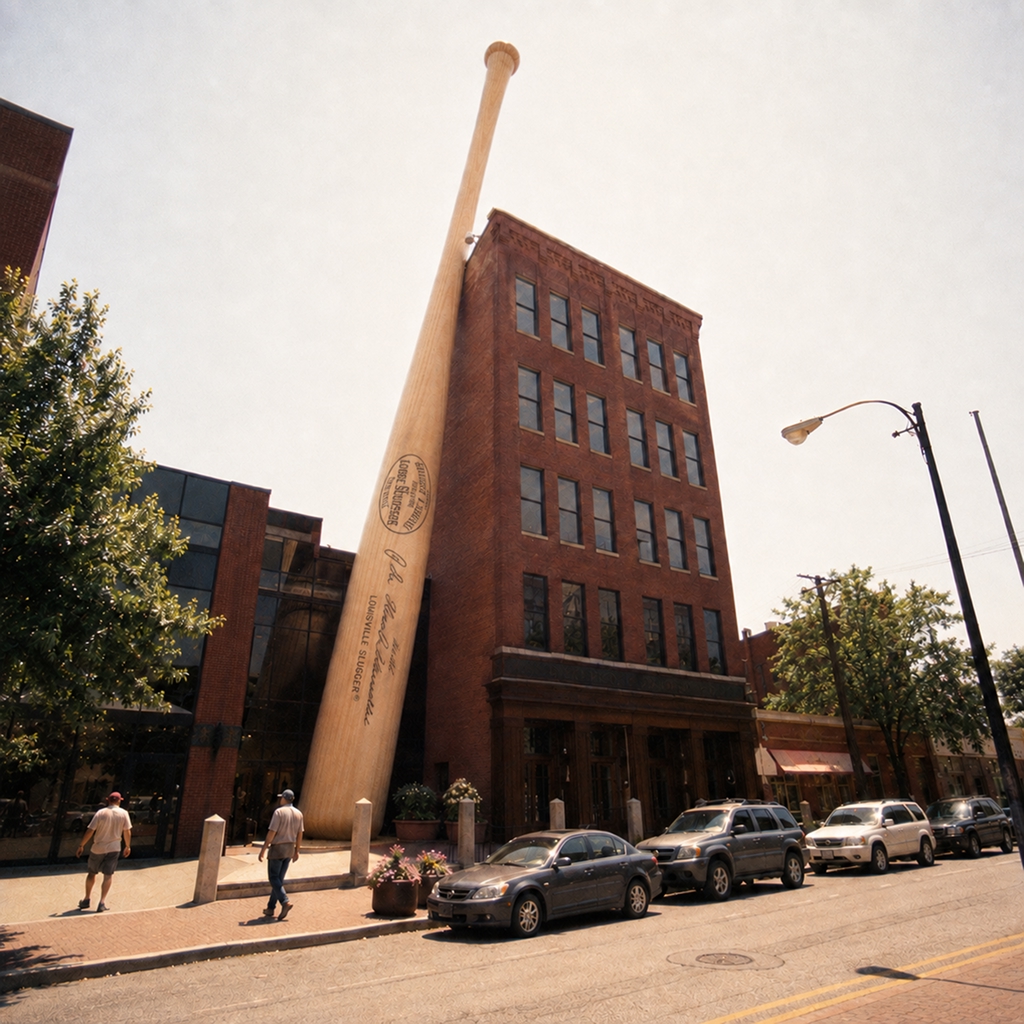
In the afternoon I drove us over to Main Street, where a bat a hundred and twenty feet long leans against the front of a five-story building. Steel, painted to look like wood, a copy of the one Babe Ruth swung. This is where they make Louisville Sluggers. I'd had it in mind since Ohio and hadn't said so.
Cecil looked up at the big one while I parked.
The store in front is all bats — barrels of them, pink ones for kids, names burned into the display models. Admission is twenty-four dollars, and twenty-three for a senior. I bought one of each. While the woman was counting out my change my phone vibrated. It was an email from the school — the same machine that wrote me in Cleveland, my kid's name in the subject line.
A payment in the amount of $3,540.00 has been posted to the student account referenced above.
Amount due: $0.00.
It did not say who had posted it.
The next group was gathering by the doors, a guide in a red shirt counting heads. "Go ahead," I told Cecil. "I'll catch up."
He went.
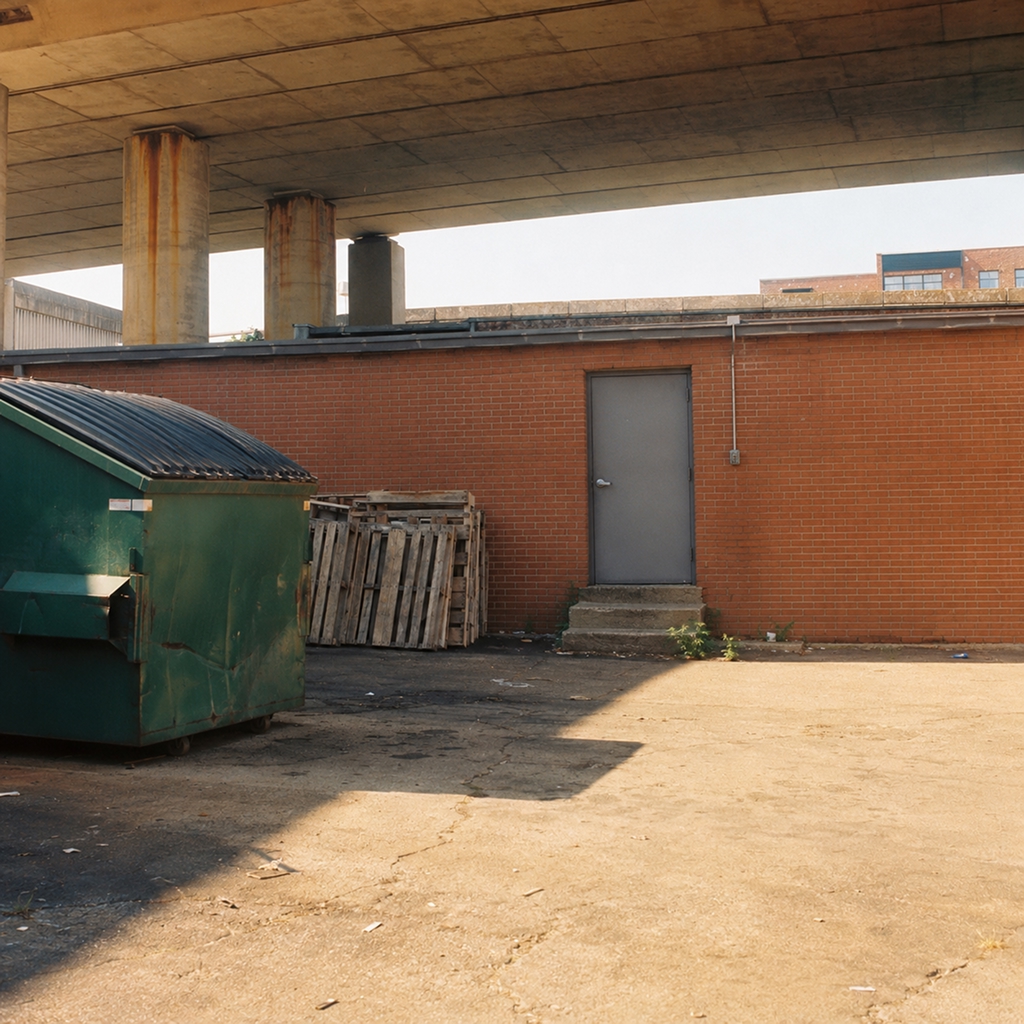
Main Street down there is a long run of cast-iron storefronts with the interstate up on legs between the buildings and the river. I walked toward the water until I had a bar again and ended up in somebody's loading bay — pallets, a dumpster, a door nobody was using. I called my ex.
It rang long enough that I had started working out what to say to the voicemail.
"Marshall," she said, which is how she answers.
I asked how she was. She said fine. I said we were in Louisville. She didn't say anything to that. And I didn't ask what I had walked down there to ask. I asked when Asher moves in.
She said a date and the middle of it didn't reach me.
"When?"
"The twenty-first," she said. "August twenty-first. Check-in is at eight in the morning." Tired, not sharp. "It's on the shared calendar, Marshall. Graduation was too."
I said okay.
Behind her I could hear a hallway, or a lobby — somewhere with people in it. A truck went over the expressway above me and I moved farther into the bay. Somebody spoke to her and she answered them with the phone away from her mouth, her voice going and no words in it. Then she was back, and she stayed on.
"The school wrote me this morning," I said. "It says thirty-five forty posted and nothing's due."
She didn't say anything.
"Did you pay it?"
The call dropped.
I stood there a second with the trucks going over. Then I held the phone up looking for more bars and pressed her name on the screen when I got them. She picked up and I didn't say anything.
"Financial aid came through," she said. "They redid Asher's package in July. There's a letter in the portal somewhere, if you want it."
She sounded like I'd asked her about the gas bill.
"Okay," I said. "Good."
I didn't ask anything else. Somewhere on her end a door shut. She said she was at work and had to go. I said okay, and that was the whole of the call. I walked back up to Main Street.
Cecil wasn't out. At the back of the store there is a counter where they will burn whatever you want into a full-size bat, and a rack of finishes to choose from. I picked the plain natural one. They give you a card to print on, four lines with the boxes marked off. I ran past the end of the second line and asked for another. I turned that one face down and asked for a third.
Dear Asher,
GO THE DISTANCE
Love, Dad
The woman asked for the name again. "Asher," I said, and spelled it. She asked did I want it shipped anywhere. I said I'd carry it. I counted the money out of my shirt pocket.
Cecil came out through the far doors holding the little bat they hand you at the end, and stood at my shoulder while a man in the back ran the burner over mine. You could smell it where we stood, a little curl of smoke coming up off the letters. When it was done she sleeved it in plastic and I took it under my arm. On the way out Cecil gave his little one to a boy in line with his father.
In the wagon he set his cap on the dash. He said they weigh every billet before they turn it.
"Everything all right?" he said.
"It's fine," I said. "School stuff."
He didn't say anything else. When we pulled out the galleries along Main were propping their doors open and the sidewalks were filling up, people crossing against the light with wine in plastic cups — first Friday of the month, a sandwich board said. The bat went up to the room with me that night.
Saturday the whole city was out. Music coming up off the waterfront, a line outside everything, strollers and folding chairs, car-show people mixed through downtown in T-shirts with engines printed on them. It was hot, but it has been hot everywhere. We walked it with everybody else. In the middle of the afternoon Cecil said he had walked about enough and would make his own way back. I did not see him again until the morning.
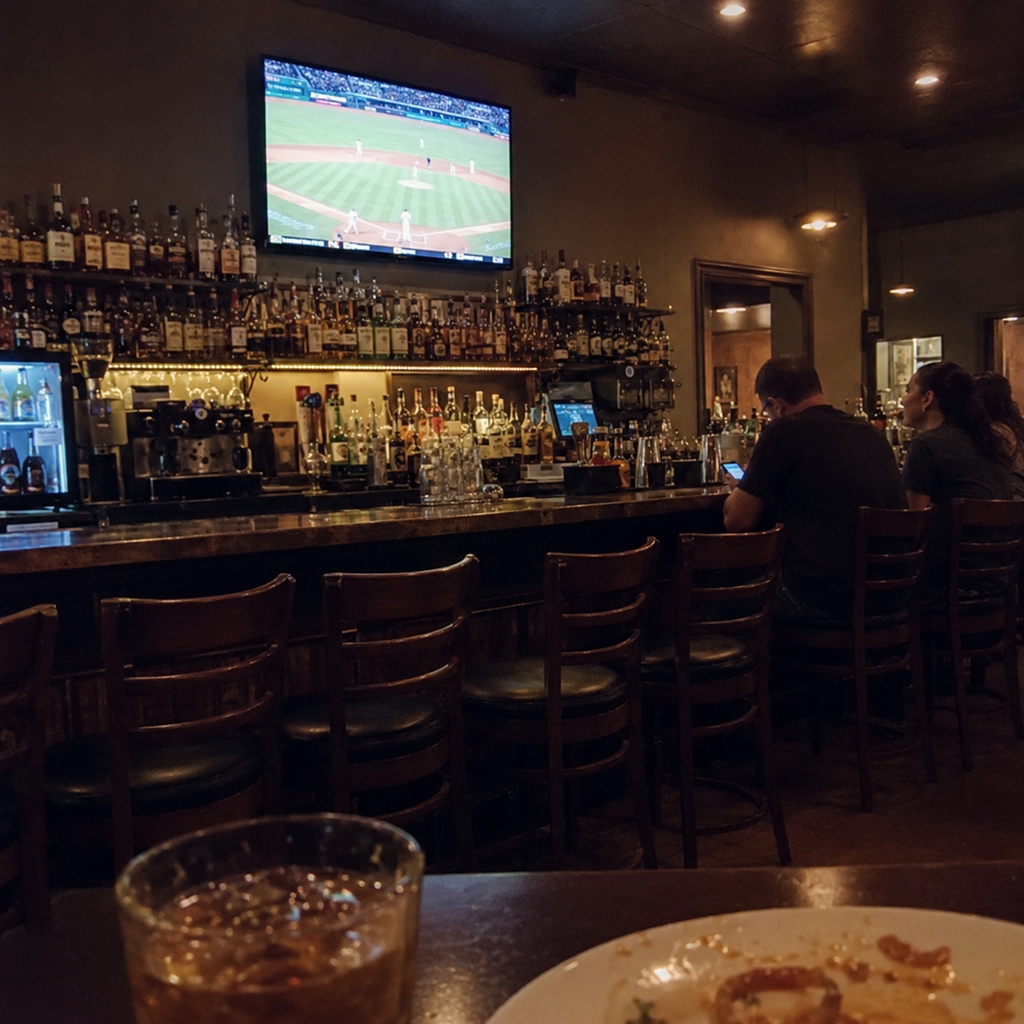
I ate by myself. A Hot Brown and one bourbon beside it. There was a ballgame up over the bar that nobody in the place was watching.
Sunday we didn't do anything. Cecil sat outside his door in the morning with the road atlas. The pool had kids in it till dark. By afternoon the old cars were going out on the interstate one after another, north and south.
We're here until the labs come in.
Tonight I brought the souvenir bat down from the room and put it in the back with the freight.
— Freely
Fantasy baseball without the homework.
Want in for the 2027 season? Leave your address and we’ll send one note when leagues open in March.