Maple and Ash
Bats distributed: twenty-one. Bound sets of the lab report in the wagon: five.
I got back Tuesday night. Cecil came out of his room and stood in the doorway with the light behind him while I carried my bag up.
"You look like hell," he said.
He was right.
Friday we went up. It is an hour and a half if the road lets you and the road does not let you on a Friday, so it took closer to two. Lake Michigan was off to the right most of the way but we never once saw it. Cecil had the sports page folded on his knee and his cap on and did not get much of it read.
We heard something before we saw the ballpark, a long way west of it — a noise that went up and dropped and went up again, and did not stop for the twenty minutes we could hear it.
"Cars," Cecil said. "Somebody's got a track out there. That's them coming around at you and going away again."
I had it in my head they started at three. We got there a little after two.
The ballpark here is all parking lot, and it was already full. People back their cars in and put the gates down and cook on grills bolted to their trailer hitches. Somebody down the row had a television running off a car battery and a dozen people watching it.
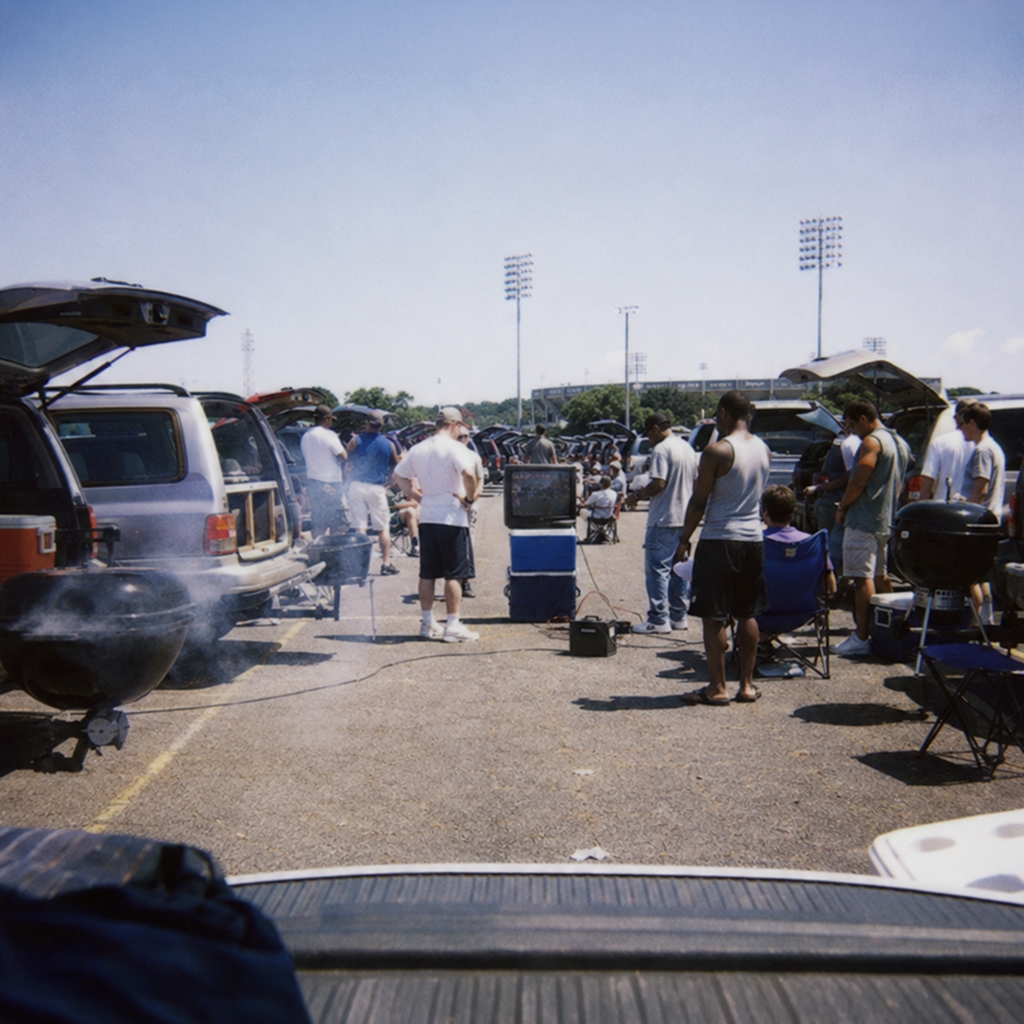
They played at six-forty. We put our tailgate down and sat on it.
A man from two cars over came across with two paper plates and gave us one each, and went back for the mustard, and came back with that. He did not want anything for them. Cecil ate his. I held mine a while and then I put it down on the tailgate and it stayed there.
He asked what we were selling out of a station wagon with Washington plates, and Cecil told him. His brother-in-law has a lathe in a garage in Waukesha and turns porch spindles, and he wanted to know what a piece of wood costs before anybody does anything to it.
Then he said, don't the players just get their bats from whoever they want.
"They do," Cecil said. "Every man in there orders his own. You'll see six, seven makers on that rack tonight. A fella orders a model and a length and an ounce. Whether he wants the end cupped. That's his. He goes two for twenty next week, he'll order something else."
The man said he had not known it got that particular, and asked if he could see one of ours.
Cecil turned and reached into the freight behind us. The first thing his hand came out with was the bat I bought in Louisville. He held it a second and laid it back down.
"That's not ours," he said.
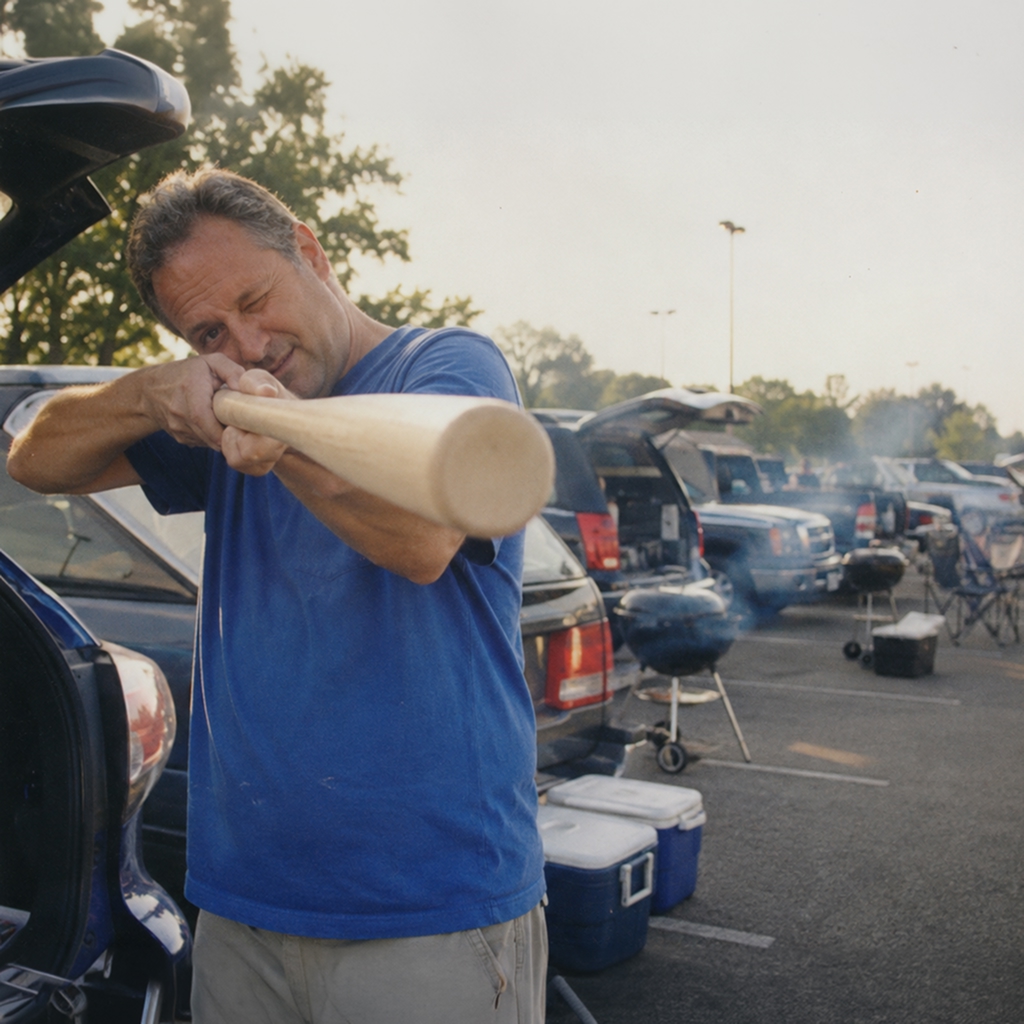
Then he found one of ours and put it in his hands and told him to keep the label up. He held it out at the end of his arm and sighted down the barrel of it.
Henderson went seven for Milwaukee and gave up one hit. They had fourteen of their own and six runs and not a ball out of the park. Texas got two hits. One was a home run.
Saturday we went in at half past ten through a door on the west side, and a woman walked us up two levels. Wenzel does something on the baseball side. His office had a window that did not look at the field.
He said he had taken the meeting because an assistant coach had told him there was a Wallop bat going around Atlanta's clubhouse. Sunday night at Williamsport, Michael Harris II had homered off Aaron Ashby in the ninth for an insurance run.
Cecil's eyes came to me first.
"Couldn't tell you what he had in his hands," he said. "I didn't see the at-bat."
"It could have been ours," I said.
Wenzel let that sit. Then, before I had anything out of the bag, he told us no. He said they had the best record in baseball and the fewest home runs in it, and he said the two halves of that in one breath.
"Why would we go changing it," he said.
I told him we were not asking anybody to change anything. They do everything else in this game better than the people they play, and the one thing they do not do is the one thing we had in the car. I said the eighteenth of this month. Twenty-two to nothing over Seattle, four balls out of the park, and eleven of the twenty-two runs came in with them. That is what they look like when the ball goes out, I said.
He did not take long with it.
"We did that in ninety-two," he said. "Twenty-two on Toronto. Thirty-one hits." He put a finger up. "One of them went out."
Cecil had not said anything since the Atlanta business.
"Nobody in this league gets more men on base than you," Cecil said. "You hit it square, ours goes farther than what you're using. You get jammed, you'd rather have what you've got."
Wenzel did not answer that. He asked how long Wallop had been making bats and I told him this is the first year. He asked how many clubs had them and I told him that too. Then he asked who else in the country cuts that wood, and I said nobody does, which is the answer we came out here with.
He wrote something down the side of a page. He said he wanted to look at a couple of things and he would come back to us before we left town.
I had the binder on my knee the whole time and he never asked for it and I never got it open.
That night Chourio and Contreras both hit solo home runs in the first inning, off the same man. Milwaukee got seven hits and won five to three. Texas had eight hits, and two of theirs went out.
Wenzel called Sunday morning at ten past nine. I took it standing outside the room with the door open behind me.
He was decent about it. He said they had looked and we were not on the list. I had him say it again. A bat that gets swung in a major league game has to come from a maker the league has approved, and Wallop has never been on it. Then he said fir was not one of the woods the game uses anyway.
I said okay.
He said the whole thing came in a long time back. It needed ten thousand dollars and a ten-million-dollar policy. He said there had been forty-eight bat makers the year before it and fifteen the year after.
I told him I appreciated the call.
Cecil was down at the end of the walk with his bag already out, because we were going straight up after the ballgame. I told him standing there. I told him the way it had been told to me, in about the same number of words.
"Maple and ash," he said. "What's the other one?"
"Birch," I said.
"Birch," he said.
We went to the Sunday afternoon game. I wanted to leave in the seventh. We stayed until the last out.
We got on the interstate a little after five. It is the road to Minneapolis and it is also the road out to where they were running the cars, and there is no other one worth taking.
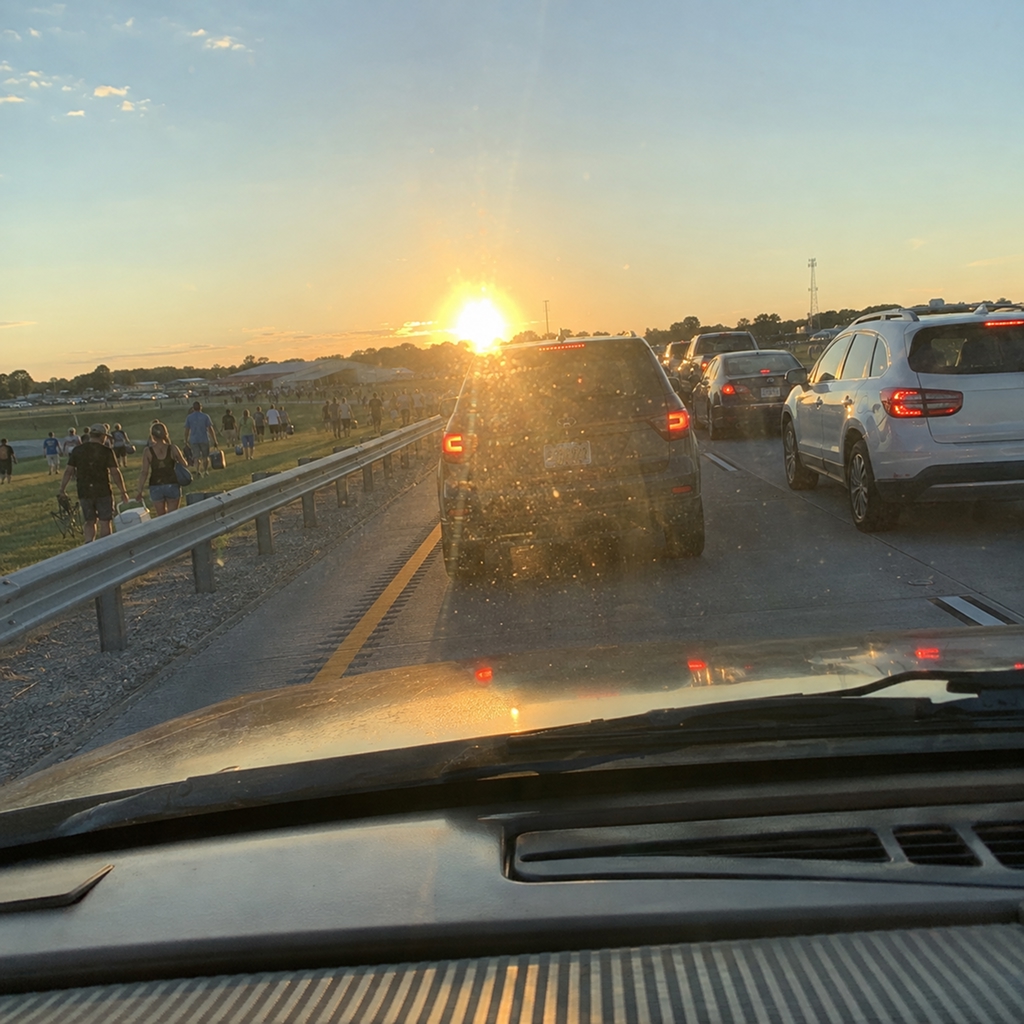
It quit moving before we were past the fairgrounds. Not slow. Stopped, and then a car length, and then stopped. People were coming across the grass on the left carrying folding chairs and coolers, in no hurry, going away from us. The sun came in through the windshield on my side and did not move off it.
Cecil took his cap off and reached to set it on the dash and stopped short of it.
"Where's the picture," he said.
It was not in the well. It was not down in either door or under either seat or in with the maps. I was hunting a Polaroid of a girl named Sochi, her hand up and her face turning toward the window. Neither of us could say the last time we had looked right at it.
The traffic went a car length and stopped. Cecil put his cap back on. There was no mark on the dash where the picture had been, and we had five hours to go.
— Freely
Fantasy baseball without the homework.
Want in for the 2027 season? Leave your address and we’ll send one note when leagues open in March.