Pop. Pillow.
Bats distributed: four.
We got in to New Orleans late. Tate had dozed until just before the city limits and was already telling me where to turn — Take Esplanade. Past the park, then left. Park at the corner — on autopilot. He had not said where we were going.
The place was on a quiet block with its windows glowing against the night — Caribbean-Creole on the higher end. Last service was finishing as we walked in. A young woman with a clipboard saw us come in and her face changed.
"Welcome, Mr. Tate."
She led us to a two-top near the kitchen. Tate eased into the chair. I took the other side. She brought us water without asking.
A few minutes later there was a sound from the back of the line — a knife on a board, then a laugh, then someone calling something to someone else. I heard the doors open.
"Cecil Du Bois Tate, as I live and breathe!"
I turned to see her with her palm flat against her chest, eyes wide, the pose and the line both older than she was. She was tall, kitchen-strong, hair pulled tight, in a chef's coat.
She rounded the table, wrapped her arms around Tate from behind, and held. He squeezed her arm with one hand, did not pull away. She kissed him on the temple, let go and looked at me.
"You must be Marshall. I'm Naomi."
I shook her hand.
She kept her other hand on the back of Tate's chair. "Are y'all hungry?"
"We could eat," Tate said.
She turned to the clipboard woman. "The rabbit. Two plates. Cornbread, what's left of the pickled okra." The clipboard woman nodded and went toward the kitchen.
"Sit a minute," Naomi said. "I'll be right back."
She went back through the line.
She came out with a glass of something pale and cold she had mixed for Tate and set it in front of him without comment — he had not asked for it. Then she reached behind the bar for a bottle. She poured two short glasses of something brown. She set one in front of me.
She pulled a chair over from the next table and sat at the corner of ours, nearer me but facing Tate. Held her own glass out for mine to clink.
"Marshall." She did not look at me. "How's he eating?"
"About as well as I am."
"How well is that?"
"Some."
"Drinking water?"
"I think so."
"Sleeping?"
Tate took a slow sip of his pale glass. "Mostly," he said.
"Mostly." She shook her head.
The plates came. The rabbit was very good.
She addressed me while still looking at Tate. "You've been staying in motels for weeks now. I've got room for you too, Marshall. If you're okay with a rollaway."
"Haven't had time to book anything."
She got up to handle something at the pass. Tate watched her go.
We waited at the table while she closed out. Twenty minutes of cleanup — the dish station running, a runner sliding stools onto tables, the back doors banging open and closed for the trash run. Tate watched the kitchen and drank his pale glass slowly. I drank mine and by the time she came back with her bag over her shoulder I had gotten warm.
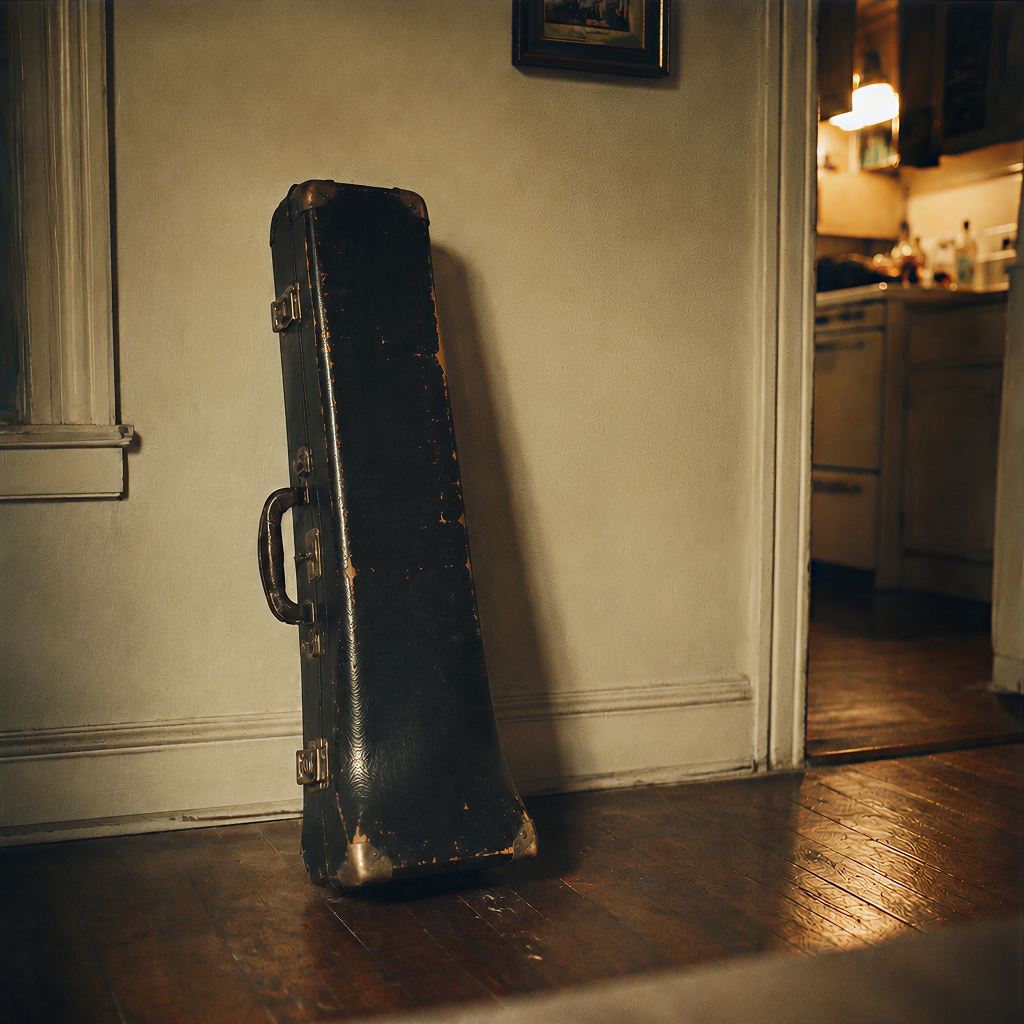
Her apartment was three blocks past the streetcar tracks, on the second floor of a shotgun divided into four. We went up after her, up an iron staircase, through a door that opened directly into a kitchen, and behind the kitchen a small living room with a sofa under the front window and a trumpet case lying flat on the sofa.
"Marcus is in Lafayette tonight," she said, picking up the case carefully and setting it against the wall.
Tate set our bags down and went into the kitchen. He opened the cabinet above the sink and pulled down a glass without checking. He filled it from the tap. He did not look at me to see if I wanted one too.
She came back with sheets and a pillow. The three of us pulled out the sofa-bed. She shoved aside a pair of running shoes that had been sitting on the rug and replaced them with our bags. Tate took the top sheet from her and snapped it open. They worked around each other, easy and unceremonious.
"Pop. Pillow."
He handed her the one off the chair.
I was still standing.
I slept on the foldout. Tate slept in her spare room. Naomi had been up a while. I came to with the smell of coffee and her moving through the kitchen, and I got up and got coffee. Tate was already at the table with his.
She was at the counter, working through a list on a small spiral pad — produce calls, the fish guy, a vendor written across the top of the page and underlined twice. She did not look up.
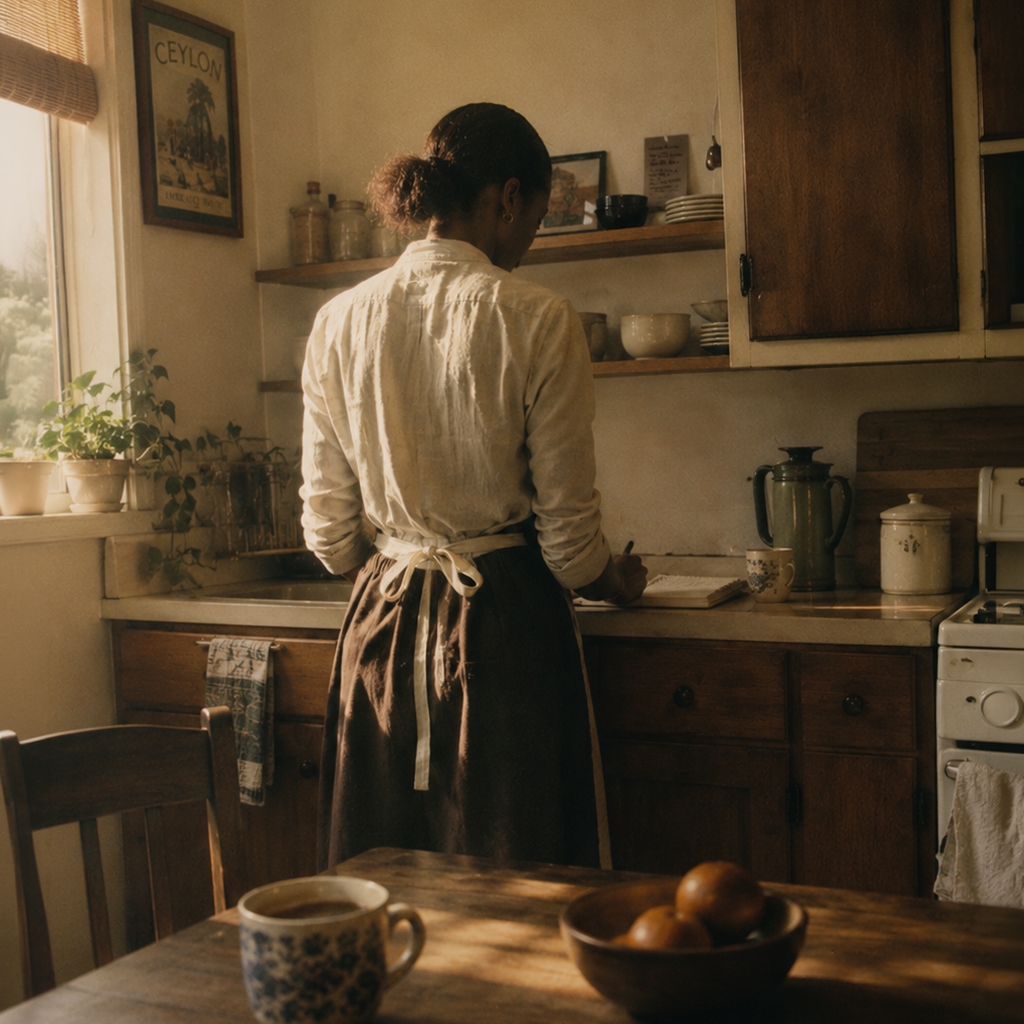
"You've got a kid, right? Pop said they're headed to college?"
She turned a page in her notebook and kept writing.
I sat there with my coffee. They, I thought. She had used the pronoun.
"Yeah. In the fall."
She straightened, capped the pen, put it in the pad, and put the pad in her apron pocket. "I need to get to Mobile on Friday. New supplier. Y'all going east anyway?"
Tate said sure.
She rolled her apron, came around the counter, and kissed the top of his head as she passed. Tate did not look up from his coffee. The door closed behind her.
He said he was going to see somebody. Did I want to come.
I said I was going to walk.
He nodded, took the keys, and went out.
I walked — out the door into a place I did not know. The morning sun was behind me. The city was running already at ten — bakeries open, kids on the sidewalks, the heat working on the magnolias.
Music came from a doorway. A trumpet. Slow. Somebody practicing.
I had started Tremé because of The Wire. But I couldn't get into it.
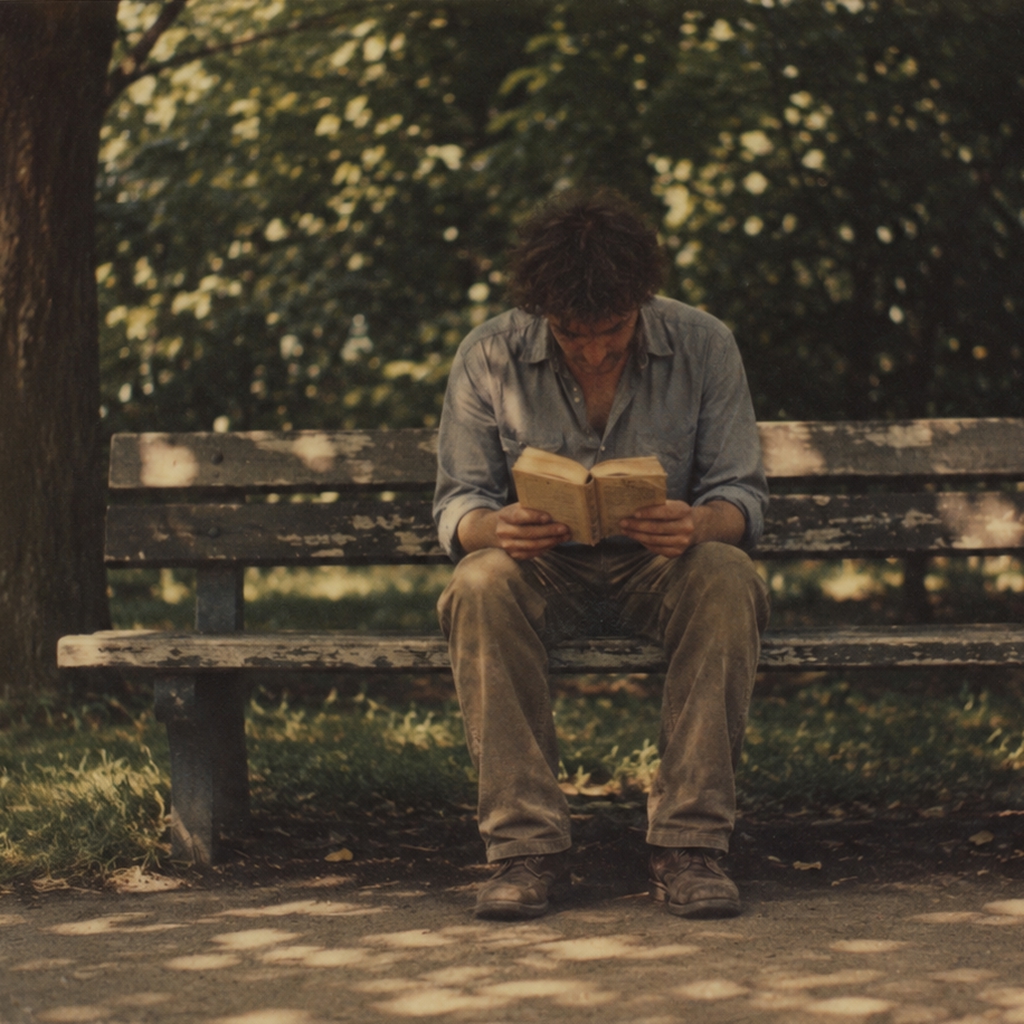
I sat on a bench in the shade and tried to write the dispatch. I wrote a sentence about Tate at the table and the sentence stopped.
Naomi behind him, her arms —
I wrote a sentence about Tate opening her cabinet without checking and it did not go anywhere either. I deleted them, wrote them differently. They still stopped. A man on the bench across from mine was engrossed in a paperback that did not have a cover on it anymore.
Pop had been telling her things, I thought.
I got up and walked back.
Naomi got home after midnight. I had been lying on the foldout for almost an hour. She put her bag down on a chair, kicked off her shoes.
I sat up. "Long shift?"
"Yeah." She sighed, stretched. "Some of us don't sit and watch baseball for a living." She moved into the kitchen, turned on the water.
After a minute she leaned out of the kitchen, drying a drinking glass. She glanced past me toward the back, leaning closer. "Y'all couldn't get my dad up closer?" she whispered. "You know he won't ask."
Tate came into the kitchen from the back of the apartment with a cup of something — tea, maybe — and sat at the table. She turned off the water and started telling him about her shift.
I lay down again, the light from the kitchen spilling onto the lower half of my bed. She dropped her voice to a murmur. Talking about her crew. A trout that went out wrong. A guy who had quit on Tuesday and shown up again tonight. Tate listened the way he listens to a ballgame.
A drawer opened. The tear of Velcro. The wheeze of a rubber bulb. The slow hiss of release. A manual cuff.
"One forty-eight," she said. "Hasn't gone down since November."
Velcro again. The drawer closing. A burner clicked on. After a moment the spit of butter.
"Any time you want off the road, you got a room here," she said.
He did not say anything. The pan kept on. A plate set down.
I was looking up at the ceiling. The smell of browning butter came across. I could have eaten.
After a while the kitchen light went off. I lay there for a long time. Occasionally a passing headlight played off the ceiling.
The trumpet case was against the wall where she had moved it when we came in.
He does have somewhere to be.
I'm not sure I've been seeing him right.
— Freely
Fantasy baseball without the homework.
Want in for the 2027 season? Leave your address and we’ll send one note when leagues open in March.